What You Can’t Claim on Tax: Avoid EOFY Headaches
What You Can’t Claim on Tax: Avoid EOFY Headaches
1. Standard Work Clothes or Footwear
You can claim special uniforms (like one with a logo) or specific protective gear. But you can't claim everyday clothes, even if you wear them for work or bought them brand new for a new job. For example, a business suit, non-compulsory jeans, or ordinary sneakers that you might be *required* to wear by your employer are still considered personal and therefore non-deductible. The exception is highly strict, a uniform must be registered with AusIndustry or be strictly compulsory and restrictive in nature. Without proper substantiation, claiming ordinary clothes is a significant tax risk.
 (Source: Unsplash)
The Update: This remains a top priority for the ATO. Unless it is protective or a compulsory registered uniform, it is private and not deductible.
📖 What do these words mean?
- EOFY: End of Financial Year (30 June).
2. Initial Training to Get a Job
Course fees are deductible if they maintain or improve skills for your *current* role, allowing you to upskill. However, you generally cannot claim training that prepares you for a new career path, helps you get a promotion into a different field, or is required to secure your very first job in an industry. The distinction is paramount, if you cannot prove a direct, measurable connection between the training and the assessable income (your current salary), the expense will not be deductible. Trying to claim entree training is an EOFY mistake to avoid.
 (Source: Unsplash)
Why it matters: There must be a direct penalty or measurable income benefit in your *current* employment for self-education to be legitimate.
3. Daily Travel to and from Work
Your normal daily commute between home and work is almost always considered private travel. This is true even if you work outside normal hours, do small tasks (like picking up mail, checking a PO Box, or taking a business call) on the way, or live a long distance from your workplace. The rules are strict and limited exceptions exist, such as transporting bulky tools with no secure storage available at work, or if you are on call and required to work *while* travelling. However, for 99% of Melbourne commuters in 2026, home-to-work travel is not a deduction.
 (Source: Unsplash)
The Rules: Limited exceptions exist, but these are strictly enforced. Don't assume non-standard hours make your commute deductible.
4. Hobbies or Personal Grooms
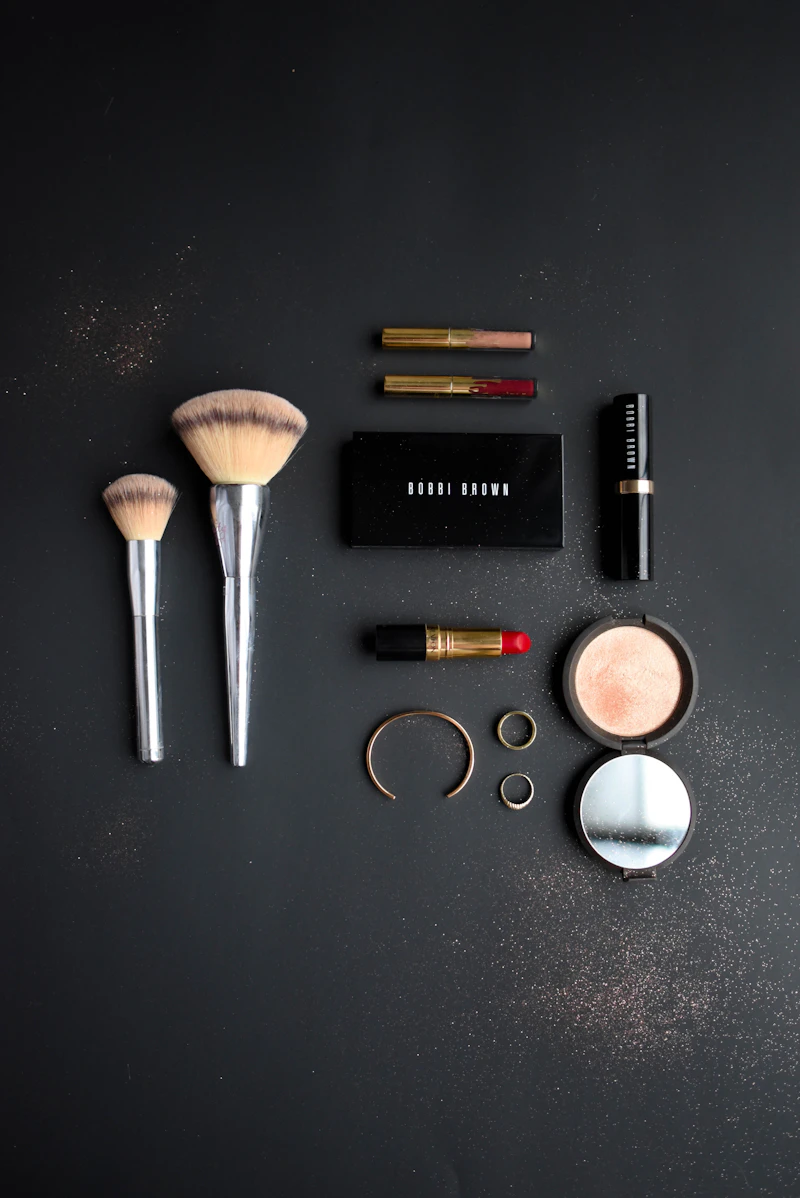
Expenses related to hobbies, where there is no intention of profit, or personal appearance, cannot be claimed. This includes haircuts (even if required by a strict uniform), makeup, non-protective sunscreen, gym memberships, and hobbies that might accidentally generate a tiny income but are not run as a business. The primary purpose of the expense must be to earn income. If an expense is primarily for private enjoyment, self-care, or personal presentation, it will not pass the ATO's test for deductibility.
 (Source: Unsplash)
The Bottom Line: If the primary purpose of the expense is private enjoyment or standard personal hygiene, it is not a tax deduction.
5. Working from Home (WFH): Standard Pitfalls
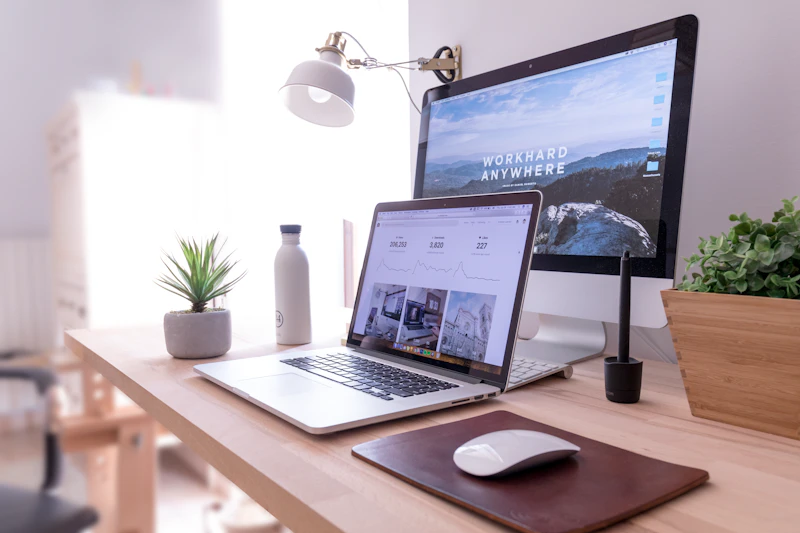
Working from home has become standard for many time-poor business owners and employees in Melbourne. However, claiming WFH expenses carries specific risks. You must use either the standard ATO short-cut method (e.g., 67c/hour) or the actual cost method. You cannot claim personal expenses like the cost of a private home office setup, private usage of your home internet or electricity, or snacks and meals consumed at home. Accurate record keeping for WFH claims is paramount in 2026.
 (Source: Unsplash)
Why it matters: WFH claims must be proportional, accurately tracked, and completely substantiated. Trying to claim non-standard items creates significant audit risk.
6. Instant Asset Write-Off (Commercial Focus)
For registered businesses in Melbourne, understanding the instant asset write-off rules is vital for commercial success. However, claiming assets instantly that do not qualify can lead to complex issues. You cannot write off personal items or assets that have substantial private usage without making an accurate private use adjustment. The asset must be ready for use, fully paid for, and proportional to your business structure and assessable income. Professional expertise is paramount when structuring major asset purchases.
 (Source: Unsplash)
The Commercial Update: Business asset write-offs carry complex rules that carry distinct thresholds. If the asset has over 20% private use, specialised CPA planning is paramount.
7. Digital Assets: Crypto and NFT Non-Claims
The digital asset landscape, including cryptocurrency, NFTs, and stablecoins, is a major focus area for the ATO in 2026. However, navigating what is *not* a deductible expense is complex. You cannot claim capital losses on crypto or NFTs against your standard assessable income (like your salary); they can generally only offset future digital capital gains. You cannot claim personal expenses like the cost of digital wallets, exchange fees on personal trades, or losses from a hobby trade as standard deductions.
 (Source: Unsplash)
Why it matters: Digital assets have unique, strictly enforced tax rules. This is not standard investing; dedicated digital asset expertise is paramount in 2026.
The 2026 Strategy: Proven Proactive Measures
As we approach the 2026 tax year, the single most powerful strategy for ensuring compliance is proactive record keeping. When the ATO reviews a return, the burden of proof is on you, the taxpayer, to substanitate every single deduction claimed. The difference between a simple audit and a severe penalty often lies in the quality of your documentation. In a context where natural language processing is automating audits, your records must be impeccable. A registered receipt or logbook is infinitely more valuable than an assumption at EOFY.
Expert Guidance for Melbourne's 2026 Tax Landscape
The Australian tax system is complex, and rules regarding 2026 deductions can carry subtle nuances. Claiming incorrectly, even accidentally, can lead to ATO audits and penalties that far outweigh any temporary financial benefit. Navigating Melbourne's distinct business and individual tax landscape requires local expertise and professional knowledge. Professional service is paramount, it guarantees you maximize your return while maintaining strict compliance.
At JPR Business Group, we ensure accuracy and compliance. We help you identify every legitimate deduction you are entitled to, optimising your return while ensuring you stay on the right side of the law. Our personalised assessment service minimises risk and ensures your 2026 EOFY strategy is robust and compliant.
Disclaimer: This blog is for educational purposes only and does not constitute formal financial or tax advice. Laws vary by situation, always consult a qualified CPA at JPR Business Group regarding your specific 2026 tax affairs in Melbourne.